On November 23, 2026, in Sydney, Australia, a delegation from the State Bank of Vietnam (SBV), led by Deputy Governor Pham Thanh Ha, attended the Financial Stability Board (FSB) Workshop on Cross-Border Payments, held on the sidelines of a meeting of the FSB Regional Consultative Group for Asia (RCG Asia). In his capacity as Co-Chair of RCG Asia, Deputy Governor Pham Thanh Ha delivered the workshop’s opening remarks together with Ms. Michele Bullock, Governor of the Reserve Bank of Australia (RBA).
The workshop was jointly organized by the FSB and the RBA, bringing together representatives from central banks, monetary and financial regulatory authorities, international organizations, and the private sector. It provided a platform for participants to exchange experiences, share initiatives and solutions, and explore ways to improve the efficiency of cross-border payments across the Asia-Pacific region.

Deputy Governor Pham Thanh Ha delivers the opening remarks at the workshop
In his opening remarks, Deputy Governor Pham Thanh Ha emphasized that cross-border payments are an essential component of the global financial system and play an increasingly important role in facilitating trade, investment, tourism, and remittances. Amid deeper economic integration and rapid digital transformation, demand for payment services that are faster, more affordable, more transparent, and more accessible continues to grow.
The Deputy Governor noted that the development of digital payment methods, including e-wallets, QR code payments, fast payment systems, and bilateral and multilateral payment connectivity initiatives, offers significant opportunities to improve cross-border payment services. However, fully realizing the potential of these initiatives requires appropriate governance arrangements, robust legal frameworks, and effective supervisory mechanisms, together with strong measures to address risks related to fraud, cybersecurity, money laundering, and data protection.
In this context, he stressed that the objective is not simply to increase payment speed, but also to ensure the efficiency, inclusiveness, transparency, safety, and resilience of payment systems, while maintaining a balance between fostering innovation and safeguarding financial stability.
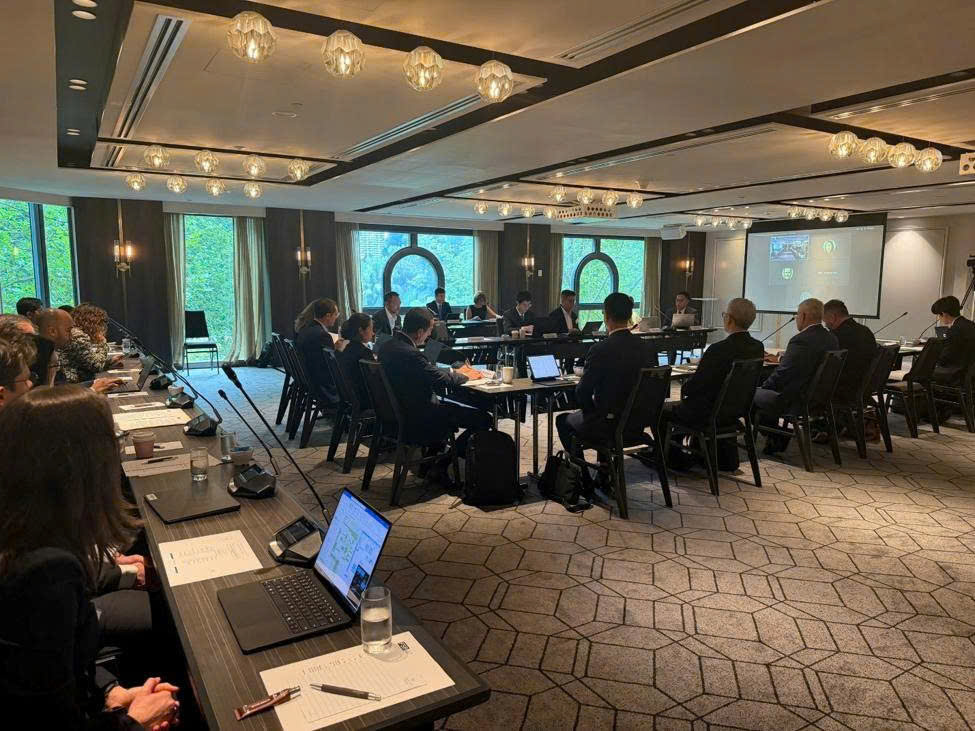
An overview of the workshop
At the workshop, representatives from the SBV's Payment Department and the Joint Stock Commercial Bank for Investment and Development of Vietnam (BIDV) delivered presentations and shared their experiences during sessions on barriers affecting correspondent banking services and innovations in digital payments.
During the session on digital payment innovation, the SBV representative highlighted Vietnam's achievements in digital transformation and cashless payments, particularly progress in cross-border QR payment connectivity between Vietnam and regional markets, including Thailand, Cambodia, Laos, Singapore, China, and the Republic of Korea. The representative also underscored the importance of further improving the legal framework, ensuring payment security, preventing fraud, and strengthening cooperation among regulatory authorities to promote efficient and sustainable cross-border payment connectivity.
In the sessions on correspondent banking and digital payment innovation, the BIDV representative shared the bank's experience in applying electronic identification and biometric authentication, as well as standardizing payment data to improve the quality of customer information, meet compliance requirements, and address challenges in correspondent banking transactions. BIDV also presented its experience in developing digital payment infrastructure, expanding cross-border QR payment acceptance networks, and implementing measures to strengthen fraud prevention and customer protection.
The participation of Vietnamese representatives helped strengthen the exchange of practical experience between regulatory authorities and commercial banks, while promoting regional cooperation in the development of modern payment services.
The workshop also provided RCG Asia members with an opportunity to discuss common challenges, identify areas requiring closer coordination, and contribute practical regional perspectives to the international agenda on cross-border payments.
Minh Khang