
On April 10, 2026, in Hanoi, Deputy Governor Pham Tien Dzung of the State Bank of Vietnam (SBV) met with a delegation from the World Bank (WB) to discuss the achievements of Vietnam’s payment system, cybersecurity efforts, and orientations for future cooperation and technical assistance.
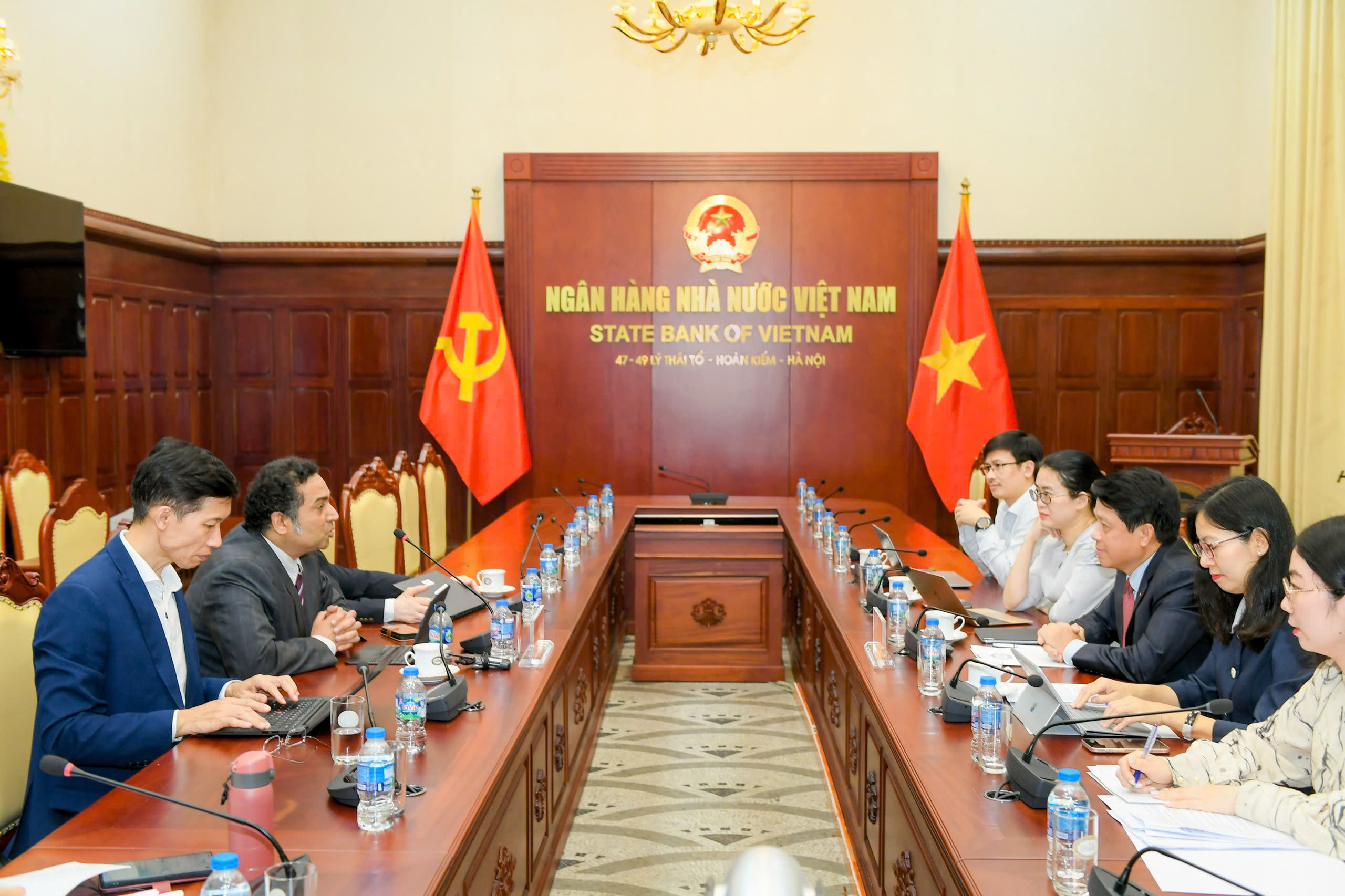
Deputy Governor Pham Tien Dzung meets WB delegation
Speaking at the meeting, Deputy Governor Pham Tien Dzung highlighted the remarkable progress of Vietnam’s payment system. Currently, 88% of adults hold bank accounts, while 99% of retail electronic payments are conducted through banks. Notably, the financial switching and electronic clearing system processed approximately 12 billion transactions in 2025.
Regarding cross-border payments, Vietnam has implemented QR code-based retail payment connectivity with several countries, including Thailand, Cambodia, Laos, South Korea, and China, delivering practical benefits to citizens and tourists in trade, shopping, and other commercial activities.
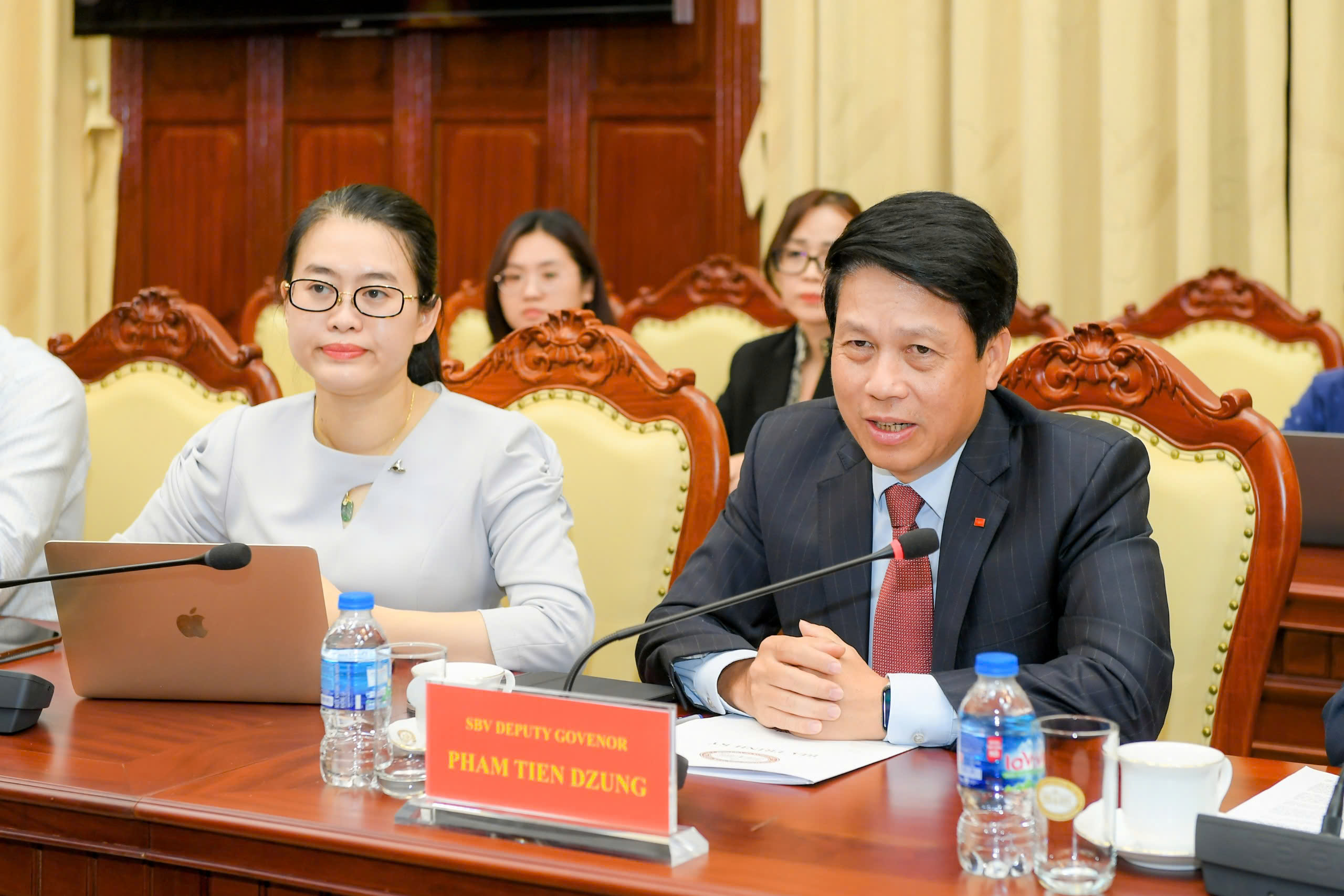
Deputy Governor Pham Tien Dzung speaks at the meeting.
In parallel with the rapid development of payment services, the SBV has proactively and decisively implemented measures to address the growing threat of high-tech crime. Key initiatives include the mandatory use of biometric authentication for online transactions exceeding VND 10 million (with direct verification against the Ministry of Public Security’s database), as well as the operation of the Information System for Management, Supervision, and Risk Prevention (SIMO). These measures have proven effective, as a report from the Ministry of Public Security indicates that the number of fraud cases in 2025 decreased by 20%.
To further strengthen the legal framework and meet the demands of international economic integration, Deputy Governor Pham Tien Dzung proposed that the WB continue to serve as a key technical assistance partner for the SBV. Priority areas for cooperation include sharing international experience, organizing training programs, and enhancing the capacity of SBV staff in drafting the Law on Payment Systems. He also emphasized the need for advisory support in combating online fraud and sharing international frameworks on fraud prevention for appropriate application in Vietnam.
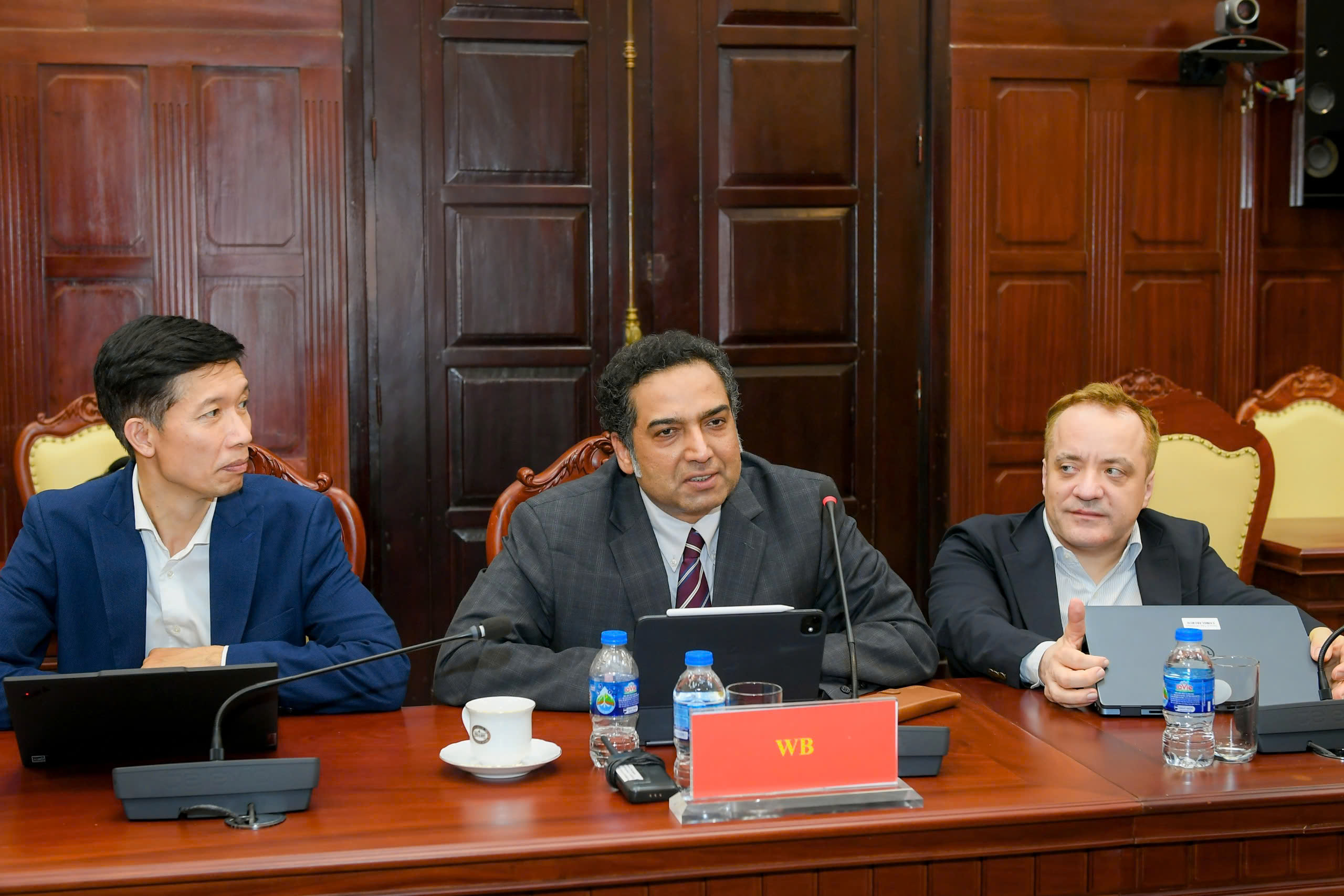
The WB delegation at the meeting
For his part, the WB delegation highly appreciated Vietnam’s achievements in developing its payment system, particularly in the context of rapid technological change that is reshaping user behaviors and driving the diversification of new payment products. The WB affirmed its strong commitment to mobilizing resources in a timely manner to meet the SBV’s needs. Both sides shared the common goal of ensuring that cooperation programs are implemented in a practical and effective manner, thereby promoting financial inclusion and improving living standards in Vietnam.